
Intel vs Nvidia GPU Support: Why Smart Developers Are Moving to Remote RDP Infrastructure

The global GPU market has become one of the most competitive and innovation-driven segments of the technology industry. Companies like Intel and Nvidia continue to push the boundaries of graphics performance, artificial intelligence acceleration, and gaming capabilities.
However, a recent development in the GPU ecosystem has sparked debate across developer communities, gaming forums, and cloud computing circles. Intel has taken a notable step to support older GPUs with new technologies, while Nvidia has often limited advanced features to newer generations of hardware.
For developers, AI engineers, and digital creators, this raises an important question:
Should professionals rely solely on consumer GPUs, or is it time to move workloads to scalable remote infrastructure such as Remote Desktop Protocol (RDP) environments?
Increasingly, smart developers are choosing the latter. Let’s explore why.
Intel vs Nvidia
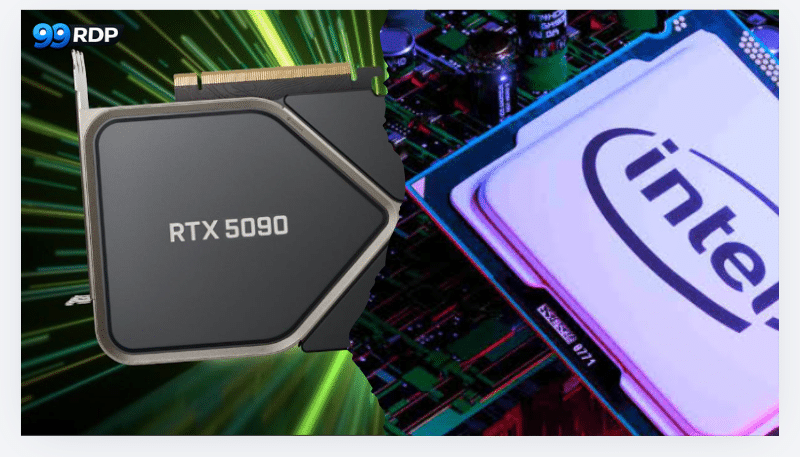
GPU manufacturers constantly introduce new technologies to improve graphics performance, machine learning workloads, and real-time rendering. However, how companies support older hardware often determines long-term user satisfaction.
Recently, Intel introduced improvements to its AI-powered graphics technology designed to work with older Arc GPUs.
This move highlights a different approach to GPU support.
Intel’s Strategy: Extending Hardware Longevity
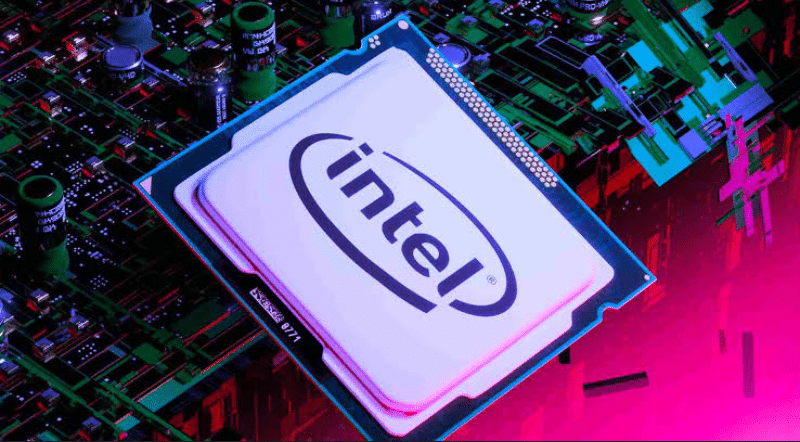
Intel’s graphics ecosystem has evolved significantly with the introduction of the Arc GPU series.
Through technologies like Intel XeSS, Intel uses artificial intelligence to enhance frame generation and rendering performance.
Key benefits include:
- AI-assisted frame generation
- Improved game performance without new hardware
- Compatibility with earlier Arc GPUs
For users, this means older hardware can still benefit from modern software innovation.
This approach helps extend the usable lifespan of GPUs, which is particularly important in an industry where hardware upgrades can be expensive.
Nvidia’s Strategy: Feature Focus on Newer Hardware
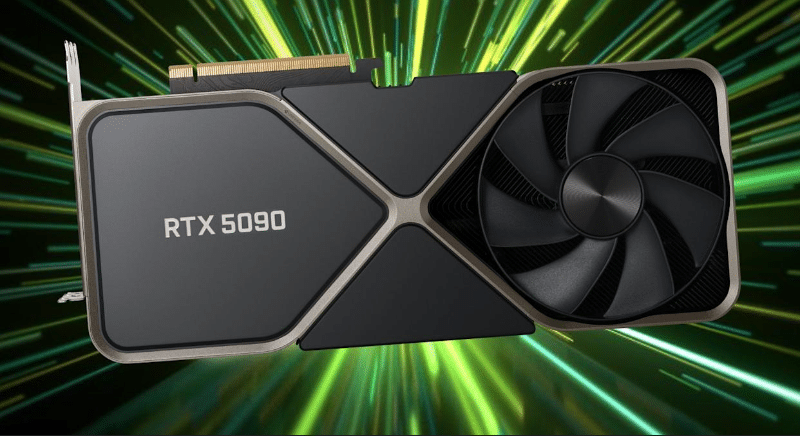
Nvidia continues to dominate the GPU market with powerful architectures and advanced AI capabilities.
Technologies such as Nvidia DLSS and Nvidia DLSS 3 have revolutionized gaming performance and AI-based rendering.
However, many of these advanced features are restricted to newer GPUs, including those in the GeForce RTX 40 Series.
Older GPUs such as those in the GeForce RTX 30 Series do not always receive access to the latest innovations.
While this approach drives hardware sales and technological progress, it also creates challenges for developers who want long-term hardware compatibility.
Why GPU Longevity Matters More Than Ever
In the modern technology landscape, GPUs are no longer used only for gaming.
They power a wide range of professional workloads.
1. Artificial Intelligence Development
Machine learning frameworks rely heavily on GPU acceleration for tasks such as:
- model training
- neural network processing
- image recognition
- natural language processing
AI researchers often need scalable computing resources that exceed consumer hardware limits.
2. Software Development and Testing
Developers working with graphics engines or simulation environments require reliable GPU resources for:
- rendering environments
- application testing
- virtual machines
- containerized development
Frequent hardware upgrades can slow down development workflows.
3. Game Development and Rendering
Modern engines such as Unreal Engine and Unity require significant GPU power for:
- real-time lighting
- physics simulation
- 3D rendering
- cinematic graphics
Studios must ensure consistent performance across development environments.
The Problem with Hardware-Dependent Workflows
While GPUs continue to improve every year, depending entirely on local hardware creates several challenges.
High Upgrade Costs
Modern GPUs can cost hundreds or even thousands of dollars, especially during supply shortages.
Rapid Hardware Obsolescence
A GPU that is powerful today may struggle with new software in just a few years.
Limited Scalability
Local systems cannot easily scale resources when workloads increase.
Hardware Maintenance
Organizations must manage driver updates, compatibility issues, and hardware failures.
These challenges are pushing developers to rethink their infrastructure strategy.
The Rise of Remote RDP Infrastructure
Remote Desktop Protocol environments allow users to access powerful computing resources hosted in remote data centers.
Instead of relying on local machines, developers can connect to high-performance servers from anywhere in the world.
Platforms like 99RDP provide scalable computing environments that eliminate hardware limitations.
Why Developers Are Moving to Remote RDP Servers
Remote infrastructure offers several advantages that traditional hardware setups cannot match.
1. Access to High-Performance Hardware
Developers can instantly access powerful CPUs, high-capacity RAM, and enterprise-grade GPUs without purchasing expensive hardware.
This allows teams to run demanding workloads efficiently.
2. Global Accessibility
With RDP servers, users can access their systems from any device and any location.
This flexibility supports remote work, distributed development teams, and international collaboration.
3. Reliable Uptime
Professional RDP hosting environments operate in data centers designed for:
- high availability
- redundant power systems
- enterprise network connectivity
This ensures consistent performance and minimal downtime.
4. Improved Security
Remote environments isolate workloads in secure virtual machines.
Organizations benefit from advanced security measures such as:
- encrypted connections
- access control policies
- centralized data management
How 99RDP Supports Modern Developers
For developers seeking reliable remote computing environments, 99RDP provides solutions tailored to modern workloads.
These services help eliminate hardware limitations while improving productivity.
Dedicated RDP Servers
Dedicated RDP servers provide users with full access to high-performance remote machines.
These environments are ideal for:
- software development
- automation tasks
- hosting applications
- data processing
Dedicated resources ensure consistent performance without interference from other users.
GPU-Powered Remote Desktops
For graphics-intensive workloads, GPU-enabled RDP environments deliver powerful computing resources.
Developers can use these systems for:
- machine learning experiments
- 3D rendering
- AI model development
- video processing
This eliminates the need to maintain expensive local GPUs.
Windows Cloud Workstations
Cloud-based Windows environments allow professionals to work on familiar desktop systems hosted in secure data centers.
These remote workstations provide:
- persistent storage
- fast SSD performance
- remote access from low-power devices
Developers can run demanding applications even on lightweight laptops.
Remote Infrastructure and the Future of Development
As artificial intelligence, automation, and high-performance computing continue to expand, remote infrastructure is becoming essential.
Organizations increasingly rely on cloud-based computing models for scalability and efficiency.
Remote RDP environments align perfectly with this shift by providing:
- scalable resources
- predictable costs
- hardware independence
Developers no longer need to worry about GPU compatibility or upgrade cycles.
Instead, they can focus entirely on building applications and solving real-world problems.
Key Takeaways
The evolving GPU support strategies of Intel and Nvidia highlight a broader reality in the technology industry.
Hardware innovation is rapid, but long-term support can vary significantly between vendors.
For developers and businesses, relying exclusively on local hardware may limit flexibility and scalability.
Remote infrastructure solutions provide a more sustainable alternative.
Platforms like 99RDP enable professionals to access powerful computing environments without investing heavily in new hardware.
This approach reduces costs, improves accessibility, and ensures developers always have the resources they need.
Conclusion
The debate between Intel and Nvidia regarding GPU support reflects a larger trend in the technology world.
While hardware manufacturers continue to innovate, developers must adapt their workflows to remain efficient and competitive.
Remote computing environments offer a powerful solution to the challenges of hardware dependency.
By using scalable RDP infrastructure, developers can access high-performance systems from anywhere while avoiding the costs and limitations of constant hardware upgrades.
In an era driven by artificial intelligence, cloud computing, and high-performance development tools, remote RDP infrastructure is quickly becoming the smarter choice for modern developers.
EXPLORE MORE ; Raw WireGuard vs Tailscale

READ OUR BLOGS


