Preparing for Ubuntu 26.10: Why Smart Teams Are Testing Stonking Stingray Early
Ubuntu’s development cycle never stands still. Shortly after the successful rollout of Ubuntu 26.04 LTS, Canonical officially kicked off development for Ubuntu 26.10, codenamed “Stonking Stingray.“ With daily builds now available, developers, DevOps teams, system administrators, and Linux enthusiasts have a unique opportunity to evaluate the next generation of Ubuntu before its expected October 2026 release.
For many organizations, testing an Ubuntu development release may seem unnecessary. After all, production environments typically prioritize stability over experimentation. However, the most successful engineering teams understand that early testing is not about running unstable software in production—it’s about identifying opportunities, reducing migration risks, validating infrastructure, and preparing for future platform changes before they become business-critical.
In today’s rapidly evolving cloud-native ecosystem, waiting until the final release arrives often leaves teams scrambling to resolve compatibility issues, deployment failures, and workflow disruptions. Organizations that begin evaluating Ubuntu 26.10 now can gain months of preparation time while helping improve the quality of the broader Linux ecosystem.
Let’s explore why Ubuntu 26.10 matters, what smart teams should be testing today, and how isolated Linux VPS environments from 99RDP provide an ideal platform for safe and cost-effective experimentation.
Ubuntu 26.10 Stonking Stingray
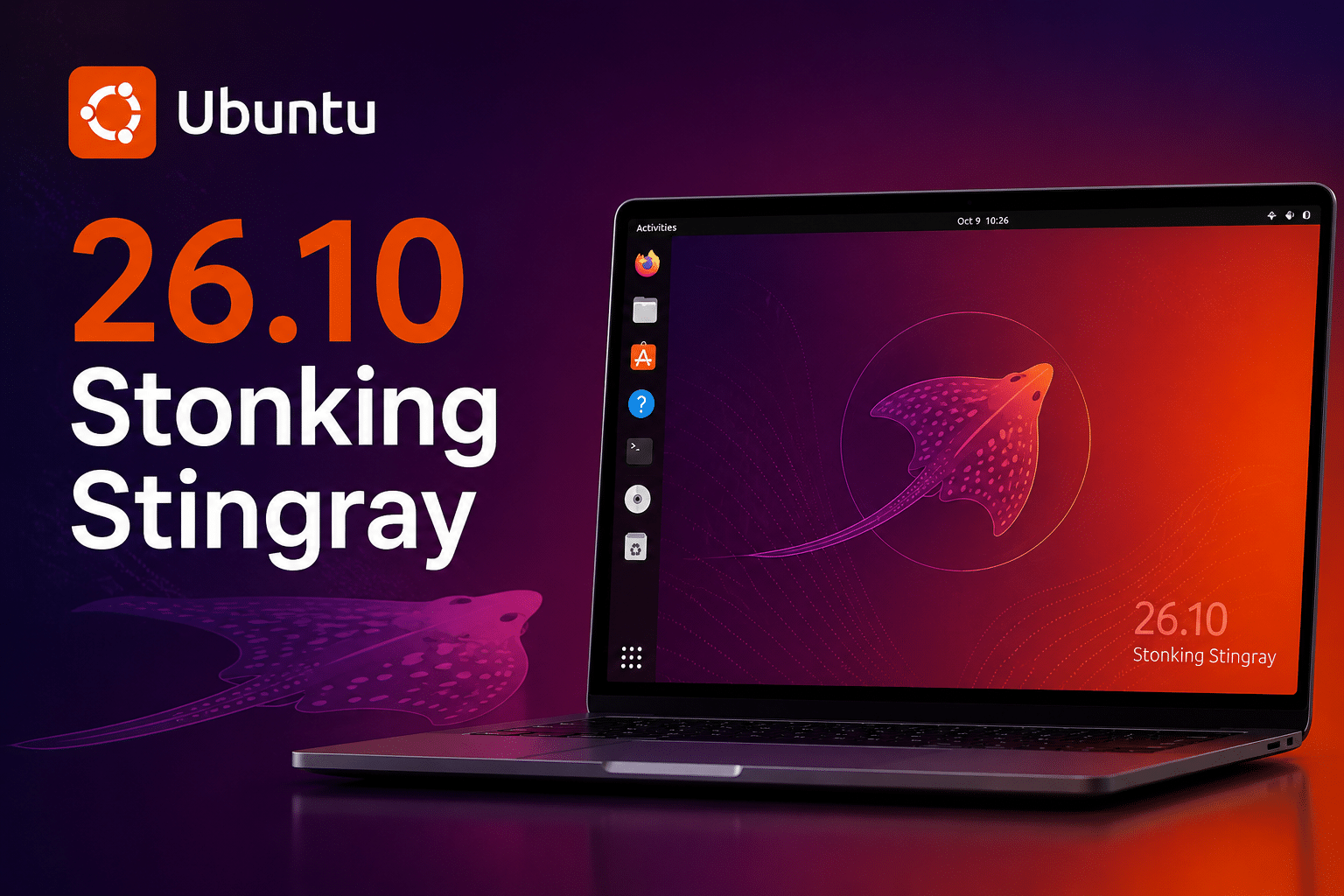
Ubuntu follows a predictable six-month release cadence, allowing Canonical to continuously introduce improvements across the Linux desktop, cloud infrastructure, security stack, developer tooling, and hardware enablement layers.
Ubuntu 26.10 represents the next interim release following Ubuntu 26.04 LTS. While Long-Term Support releases receive most enterprise attention, interim releases often serve as innovation platforms where future technologies are refined before becoming part of subsequent LTS versions.
At this stage of development, Ubuntu 26.10 daily builds provide a preview environment rather than a finished operating system. Features continue evolving throughout the development cycle, but several trends are already emerging:
Expected Areas of Improvement
Desktop Experience
Ubuntu’s GNOME-based desktop environment continues to mature with improvements focused on:
- Better Wayland integration
- Enhanced responsiveness
- Refined user interface elements
- Improved multi-monitor support
- Better accessibility features
- Enhanced power management
Kernel Advancements
New Ubuntu releases typically introduce updated Linux kernels that bring:
- Improved hardware compatibility
- Better CPU scheduling
- Enhanced filesystem performance
- Improved networking capabilities
- Expanded support for emerging hardware platforms
Cloud and Infrastructure Enhancements
Cloud-native environments remain central to Ubuntu’s growth strategy.
Expected benefits include:
- Improved container performance
- Better virtualization support
- Enhanced Kubernetes compatibility
- Security framework enhancements
- Infrastructure automation improvements
Developer Tooling
Modern software development increasingly depends on integrated tooling.
Ubuntu 26.10 is expected to deliver updates across:
- Programming language runtimes
- Build systems
- Container technologies
- CI/CD integrations
- Developer productivity tools
These improvements may appear incremental individually but can collectively have significant impacts on enterprise workflows.
Why Early Testing Matters More Than Ever
Many organizations mistakenly treat operating system upgrades as routine maintenance tasks.
In reality, every major Linux release introduces changes that can affect:
- Applications
- Drivers
- Security policies
- Automation scripts
- Monitoring systems
- Container images
- Deployment pipelines
The complexity of modern infrastructure means even small platform changes can create unexpected challenges.
Early testing provides a strategic advantage.
Identifying Compatibility Issues Before Production
One of the biggest reasons organizations test development releases is compatibility validation.
Software stacks often depend on:
- Specific libraries
- Runtime versions
- Kernel modules
- Package dependencies
When these components change, applications may behave differently.
Early testing allows teams to answer critical questions:
- Will existing applications continue functioning correctly?
- Are custom scripts compatible?
- Do security tools operate as expected?
- Will automation workflows require updates?
Finding answers months before deployment dramatically reduces operational risk.
DevOps Teams Benefit From Early Validation
Modern DevOps environments rely heavily on automation.
Infrastructure-as-Code templates, CI/CD pipelines, deployment scripts, and configuration management systems must remain compatible across operating system updates.
Ubuntu 26.10 presents an opportunity to validate:
Container Workloads
Organizations running:
- Docker
- Kubernetes
- Podman
- Containerd
should begin testing workloads early.
Potential issues often include:
- Dependency mismatches
- Network behavior changes
- Security policy updates
- Resource allocation differences
Early testing helps avoid production surprises.
Infrastructure Automation
Teams using tools such as:
- Terraform
- Ansible
- Puppet
- Chef
can verify that automation workflows continue operating correctly.
The earlier issues are identified, the less costly they become to resolve.
Security Teams Should Pay Attention
Cybersecurity is one of the most important reasons to evaluate upcoming Linux releases.
Operating systems continuously evolve to address:
- New vulnerabilities
- Privilege escalation risks
- Supply chain threats
- Container security concerns
Ubuntu 26.10 may introduce improvements across:
- AppArmor
- Secure Boot
- Kernel hardening
- Package security
- Access controls
Security teams benefit from understanding these changes before widespread deployment.
By testing early, organizations can:
- Update security baselines
- Revise compliance frameworks
- Validate monitoring tools
- Improve threat detection strategies
This proactive approach significantly strengthens operational resilience.
The Hidden Cost of Waiting
Many organizations postpone testing until release candidates become available.
While this may seem efficient, it often creates unnecessary pressure.
Late testing frequently leads to:
Compressed Validation Windows
Teams may have only a few weeks to:
- Validate applications
- Resolve issues
- Update documentation
- Train staff
This increases deployment risk.
Emergency Fixes
Unexpected incompatibilities often trigger:
- Unplanned downtime
- Urgent engineering work
- Deployment delays
Early testing minimizes these scenarios.
Increased Operational Costs
Last-minute troubleshooting consumes valuable engineering time.
Proactive validation allows organizations to spread effort across several months instead of several days.
Why Development Builds Should Never Run on Production Systems
Although Ubuntu 26.10 daily builds provide valuable insight into upcoming changes, they remain development snapshots.
Potential risks include:
- Incomplete features
- Package regressions
- Stability issues
- Driver conflicts
- Broken updates
Production environments should prioritize stability.
The safest strategy is creating isolated testing environments that mirror production conditions without exposing business operations to unnecessary risk.
The Rise of Remote Linux Testing Environments
Traditional testing often required dedicated physical hardware.
That approach no longer scales effectively.
Modern engineering teams increasingly rely on virtualized infrastructure because it offers:
Faster Deployment
New test systems can be provisioned within minutes.
Lower Costs
No need to purchase additional hardware.
Better Isolation
Development environments remain separated from production systems.
Improved Collaboration
Distributed teams can access identical testing environments from anywhere.
Rapid Recovery
Snapshots and backups simplify rollback procedures.
These advantages make virtual environments the preferred testing platform for modern organizations.
How 99RDP Helps Teams Test Ubuntu 26.10 Efficiently
Testing Ubuntu daily builds requires infrastructure that is flexible, scalable, and affordable.
This is where 99RDP provides practical value.
Deploy Linux Environments Quickly
99RDP’s Linux VPS solutions allow teams to spin up isolated Linux environments without investing in dedicated hardware.
Developers can:
- Create multiple testing instances
- Validate different configurations
- Compare deployment scenarios
- Evaluate software compatibility
All while keeping production systems untouched.
Safe Experimentation
Ubuntu daily builds are designed for testing.
Running them inside isolated VPS environments enables organizations to:
- Explore new features safely
- Monitor performance changes
- Validate infrastructure updates
- Conduct security assessments
without affecting critical business operations.
Global Accessibility
Remote teams increasingly require flexible access to development resources.
99RDP allows engineers to:
- Connect from anywhere
- Access test environments remotely
- Collaborate across time zones
- Perform continuous validation
This flexibility accelerates development cycles and improves productivity.
Cost-Effective Scaling
Instead of maintaining a large hardware lab, organizations can scale virtual infrastructure as needed.
Benefits include:
- Reduced capital expenditure
- Faster deployment
- Better resource utilization
- Lower operational overhead
For startups, software vendors, SaaS companies, and enterprise IT departments, this model offers significant efficiency gains.
Key Areas Smart Teams Should Test Today
Organizations evaluating Ubuntu 26.10 should focus on practical business outcomes rather than simply exploring new features.
Recommended testing areas include:
Application Compatibility
Verify:
- Internal software
- Third-party applications
- Middleware components
- Databases
Infrastructure Automation
Test:
- Provisioning scripts
- Configuration management
- CI/CD workflows
- Deployment pipelines
Container Ecosystems
Validate:
- Container builds
- Kubernetes deployments
- Service meshes
- Networking policies
Security Controls
Review:
- Access policies
- Endpoint protection
- Logging systems
- Compliance requirements
Performance Benchmarks
Measure:
- CPU utilization
- Memory efficiency
- Storage performance
- Network throughput
Documenting results now simplifies future migration planning.
Preparing for Ubuntu 28.04 LTS Starts Today
One of the most overlooked reasons to evaluate Ubuntu 26.10 is its relationship to future LTS releases.
Historically, many innovations introduced in interim releases eventually mature into Long-Term Support platforms.
Testing Ubuntu 26.10 provides visibility into:
- Emerging technologies
- Platform direction
- Infrastructure trends
- Enterprise adoption paths
Organizations that begin learning today will be significantly better prepared when Ubuntu 28.04 LTS arrives.
Instead of facing a steep learning curve later, teams can build expertise gradually.
Building a Future-Proof Linux Strategy
Technology leaders increasingly recognize that operating systems are strategic assets rather than background infrastructure.
Every Linux upgrade affects:
- Security posture
- Operational efficiency
- Developer productivity
- Cloud performance
- Infrastructure scalability
Organizations that actively evaluate upcoming releases gain valuable competitive advantages.
Benefits include:
- Reduced migration risk
- Faster adoption cycles
- Better security readiness
- Improved system reliability
- Stronger operational planning
Ubuntu 26.10 offers a perfect opportunity to begin that process.
Final Thoughts
Ubuntu 26.10 “Stonking Stingray” marks the next phase in Ubuntu’s evolution and provides developers, administrators, and enterprise teams with an early glimpse into the future of the Linux ecosystem. While daily builds are not suitable for production deployment, they offer tremendous value for organizations that want to stay ahead of platform changes.
The smartest teams understand that early testing is not about experimentation for its own sake. It is about reducing risk, improving compatibility, strengthening security, and preparing infrastructure for future growth.
By leveraging isolated Linux VPS environments from 99RDP, organizations can safely evaluate Ubuntu 26.10, validate critical workloads, and gain actionable insights months before the final release arrives. As the Linux landscape continues evolving, those who test early will be the teams best positioned to deploy confidently, innovate faster, and maintain a competitive edge in an increasingly cloud-driven world.
EXPLORE MORE ; BleachBit TUI vs Traditional Linux Cleaners

READ OUR BLOGS